@user1610494165825:

💞Út💞Giàu 💞
💞Út💞Giàu 💞
Open In TikTok:
Region: VN
Thursday 15 May 2025 14:08:28 GMT
247
18
0
0

Music

Download

Comments

There are no more comments for this video.
To see more videos from user @user1610494165825, please go to the Tikwm homepage.

Other Videos

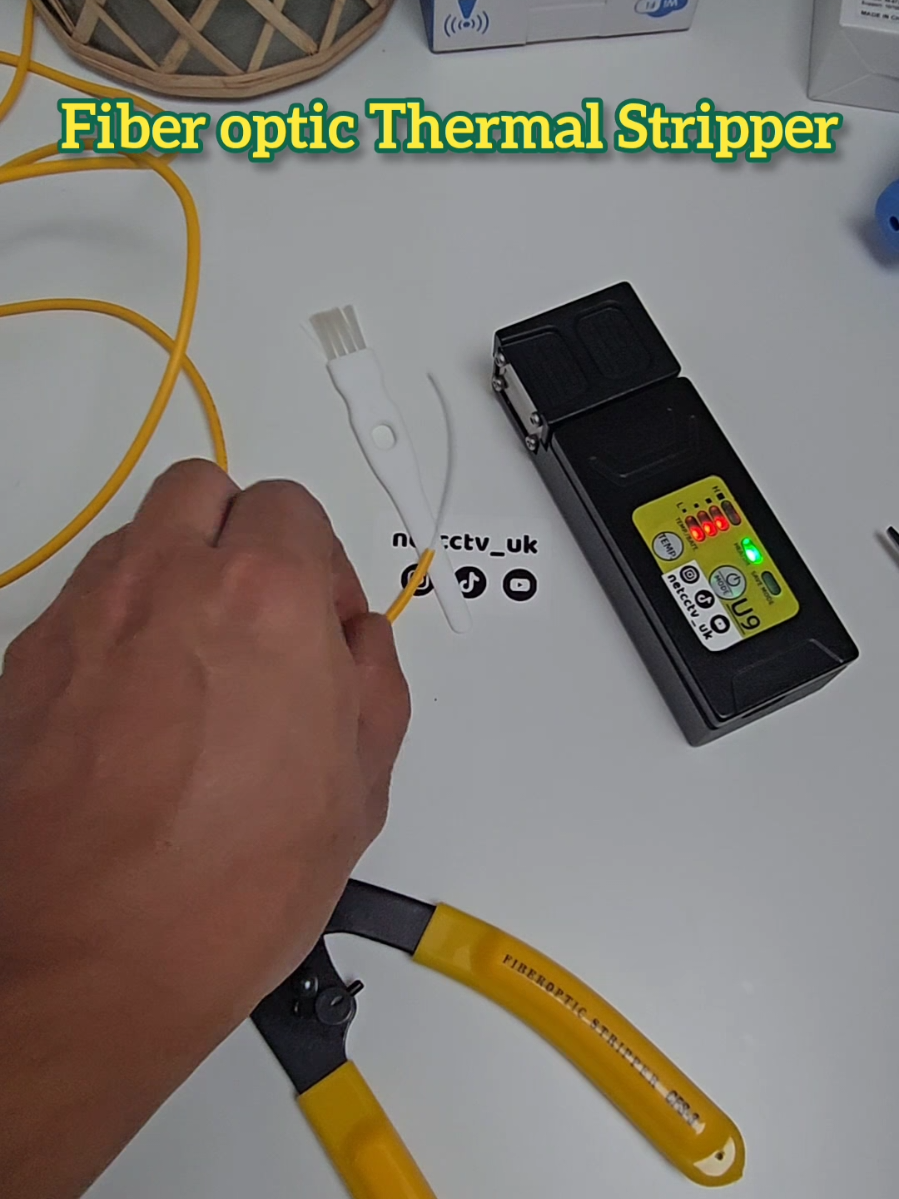
A fiber optic thermal stripper is a precise, heat-based tool for safely removing the acrylic coating from optical fibers. 🛠️ Unlike mechanical blades, it softens the coating without nicking or scratching the fragile glass underneath, ensuring optimal signal strength and fiber integrity. ✨ It's the clean, reliable, and professional way to prepare fibers for splicing or termination. 💯 --- Fiber Optic Thermal Stripper: Precision Coating Removal through Controlled Heating 🔥 #FiberOptics #Tool #Precision #Coating #Removal    A fiber optic thermal stripper is a specialized instrument designed for the non-contact removal of the primary acrylate coating from optical fibers. It operates by applying a precise, localized heat to a specific section of the coating, causing it to soften and expand. The fiber is then gently pulled away, leaving the pristine glass cladding exposed without any mechanical scoring or micro-bends. Key Operational Principles & Benefits: · Thermal vs. Mechanical: Eliminates the risk of microscopic cracks and scratches on the glass surface that are common with blade-based strippers. These imperfections are primary causes of signal loss (attenuation) and potential fiber failure. · Precision Control: Features adjustable temperature settings to accommodate different coating types (e.g., 250µm, 900µm) and colors, ensuring clean removal without damaging the fiber. · Consistency & Reliability: Provides a repeatable process, crucial for achieving low splice loss and high yield in production and field environments. · Ideal for Modern Fibers: Especially critical for stripping bend-insensitive fibers (ITU-T G.657), which have a fragile trench layer that is easily damaged by mechanical tools. Primary Applications: Fiber optic splicing (fusion and mechanical), connectorization (e.g., LC, SC), and patch cord assembly. · Adjustable temperature: For different fiber types/coatings. · Consistent and repeatable results: Essential for quality control. · Ideal for sensitive fibers: Especially Bend-Insensitive Fiber (BIF). · Reduces splice loss and failure rates: The ultimate benefit. · Portable and easy to use: For field technicians.
A fiber optic thermal stripper is a precise, heat-based tool for safely removing the acrylic coating from optical fibers. 🛠️ Unlike mechanical blades, it softens the coating without nicking or scratching the fragile glass underneath, ensuring optimal signal strength and fiber integrity. ✨ It's the clean, reliable, and professional way to prepare fibers for splicing or termination. 💯 --- Fiber Optic Thermal Stripper: Precision Coating Removal through Controlled Heating 🔥 #FiberOptics #Tool #Precision #Coating #Removal A fiber optic thermal stripper is a specialized instrument designed for the non-contact removal of the primary acrylate coating from optical fibers. It operates by applying a precise, localized heat to a specific section of the coating, causing it to soften and expand. The fiber is then gently pulled away, leaving the pristine glass cladding exposed without any mechanical scoring or micro-bends. Key Operational Principles & Benefits: · Thermal vs. Mechanical: Eliminates the risk of microscopic cracks and scratches on the glass surface that are common with blade-based strippers. These imperfections are primary causes of signal loss (attenuation) and potential fiber failure. · Precision Control: Features adjustable temperature settings to accommodate different coating types (e.g., 250µm, 900µm) and colors, ensuring clean removal without damaging the fiber. · Consistency & Reliability: Provides a repeatable process, crucial for achieving low splice loss and high yield in production and field environments. · Ideal for Modern Fibers: Especially critical for stripping bend-insensitive fibers (ITU-T G.657), which have a fragile trench layer that is easily damaged by mechanical tools. Primary Applications: Fiber optic splicing (fusion and mechanical), connectorization (e.g., LC, SC), and patch cord assembly. · Adjustable temperature: For different fiber types/coatings. · Consistent and repeatable results: Essential for quality control. · Ideal for sensitive fibers: Especially Bend-Insensitive Fiber (BIF). · Reduces splice loss and failure rates: The ultimate benefit. · Portable and easy to use: For field technicians.

About